
Extended Reality (XR) Whitepaper
Transforming Digital Engagement Through Immersive Experiences
Executive Summary: XR is Reshaping Digital Engagement
Extended Reality (XR)—encompassing Augmented Reality (AR), Virtual Reality (VR), WebXR, and Holograms—is no longer a futuristic concept. It has become a strategic imperative for organizations looking to elevate digital engagement, streamline recruitment, and enhance customer interaction. In 2025, the latest advancements in XR are making immersive experiences more practical, accessible, and impactful than ever.
The convergence of AR, VR, WebXR, holographic displays, 5G, LiDAR, and cloud computing has eliminated traditional barriers, creating seamless, high-quality experiences that can be leveraged laterally across multiple platforms. XR adoption is accelerating across industries. According to ABI Research, global spending on XR is projected to skyrocket from $44.7 billion in 2024 to $299.3 billion by 2030, reflecting its rapid expansion in education, enterprise, and consumer markets. Major organizations are investing in XR-driven solutions to enhance engagement, increase efficiency, and redefine digital experiences across sectors. Instead of siloed technologies, these innovations now work in tandem—allowing institutions and brands to scale immersive marketing, virtual environments, and interactive web experiences effortlessly.
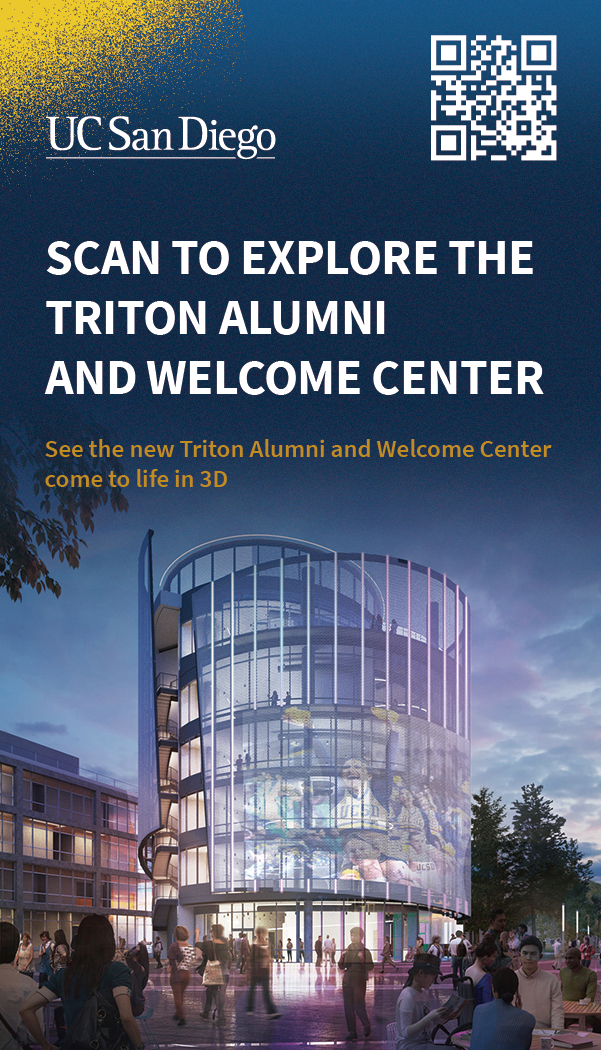
Example: This demonstrates the convergence of XR technologies—starting from printable marketing material that, upon scanning the QR code, allows users to engage with an augmented reality 3D design of a building space. That same 3D building can be deployed into any website where users can interact with the same immersive experience.
A defining trend in 2025 is the convergence of WebXR and holographic display technologies, which marks a shift away from siloed digital tools toward integrated, cross-platform ecosystems. WebXR supports fully interactive 3D environments—such as virtual campus tours and immersive microsites—directly within the browser, requiring no additional software or hardware. Simultaneously, holographic displays embed 3D content into physical spaces, enhancing real-world engagement. Both technologies are grounded in shared 3D asset design principles, enabling a single digital model to be deployed across multiple formats. This interoperability reduces production costs, increases scalability, and broadens institutional access to immersive technologies once reserved for high-budget enterprises.
Simultaneously, AR, VR, and holograms are transforming recruitment and marketing, particularly in higher education:
- AR overlays digital content onto real-world spaces, making brochures, campus tours, and event engagement interactive.
- VR provides immersive spaces where prospective students can explore institutions remotely.
- Holograms introduce life-sized, interactive experiences that create a more personal connection between brands and audiences.
With the ability to seamlessly integrate WebXR, AR marketing, VR-powered events, and holographic displays, universities, and brands are redefining how they engage with Gen Z's expectations for interactive, personalized digital experiences.
Key Benefits of XR for Institutions and Brands
- 1
Enhanced Engagement & Retention – Interactive XR content extends user engagement 2X longer than traditional digital media, improving brand recall.
- 2
Frictionless Access – WebXR enables instant, app-free immersive experiences, eliminating installation barriers.
- 3
Multi-Platform Scalability – XR solutions now work seamlessly across mobile, desktop, VR headsets, and holographic displays, maximizing reach.
- 4
Cost-Effective & Accessible – Advanced AR, VR, and holographic experiences no longer require expensive headsets, making implementation feasible for any organization.
- 5
Measurable ROI – AR-driven experiences boost engagement by 94% and increase conversion rates by up to 70%.
- 6
Expanding Market Growth – Industry forecasts predict XR spending will rise from $44.7 billion in 2024 to $299.3 billion by 2030, highlighting its rapid expansion.
As XR technology converges into a unified digital ecosystem, organizations that integrate immersive experiences into their strategies will be best positioned to capture attention, increase conversions, and drive deeper engagement in an increasingly interactive world.
Fundamentals of XR
As immersive technology continues to evolve, understanding the core concepts of Extended Reality (XR) is essential. XR is an umbrella term encompassing Virtual Reality (VR), Augmented Reality (AR), WebXR, and 3D Holograms. There is the additional ever growing sector of Artificial Intelligence (AI) that will play an increasingly bigger role in unifying the different elements of XR, that when combined, create seamless and scalable digital experiences.
The convergence of these technologies enables organizations to deliver interactive, personalized, and data-driven experiences that enhance recruitment, marketing, and student engagement. The table below defines these key terms, provides real-world examples, and highlights their higher education applications.
Important Terms in XR
TermClick on terms for more details | Definition | Example | Higher Ed Use Cases |
|---|---|---|---|
Virtual Reality (VR) | A fully immersive digital experience where all visual input is computer-generated. | Beat Saber, Quest 2, Apple Vision Pro | Virtual Reality Campus Tours, Virtual Events |
Augmented Reality (AR) | A layering of digital elements on top of the real, physical world. | Pokémon GO, Snapchat filters, Campus 360 AR Campus Visits | Interactive Business Cards, Brochures, Stickers, Augmented Reality Tours |
Extended Reality (XR) | An umbrella term that includes both VR and AR. | (All of the above) | (All of the Above) |
WebXR | A browser-based framework for delivering VR and AR experiences directly through the web, without requiring an app or additional software. | Mozilla WebXR, Meta Horizon Web, Google WebXR Experiments | 3D Campus Maps, Virtual Campus Tours, Interactive Microsites, Web-Based AR Experiences |
Holograms | 3D visual representations that appear to exist in real-world space, viewable without a headset. | HoloLens, Looking Glass Factory, Leia Inc. | Holographic Campus Tours, Virtual Info Sessions, Interactive Recruitment Displays |
Artificial Intelligence (AI) | Machine learning models that analyze data, automate interactions, and enhance personalization. | ChatGPT, Dialogflow, AI-Powered Chatbots | AI-Driven Virtual Assistants, Personalized Admissions Chatbots, Smart Campus Navigation |
By integrating XR technologies such as WebXR, VR, AR, and holograms, institutions and brands can leverage these experiences together, creating engaging, scalable, and highly personalized digital experiences. As these tools continue to evolve, their strategic implementation will be essential for enhancing student recruitment, improving accessibility, and streamlining digital engagement.
Leveraging Augmented Reality
Gen Z, Augmented Reality, and the Future of Student Recruitment
"I believe that augmented reality will be the biggest technological revolution that happens in our lifetimes."
Augmented Reality (AR) might still sound like a futuristic concept—but for millions of people, especially younger users, it's already part of everyday life. AR technology overlays digital content it's already part of everyday life. AR technology overlays digital content—like images, text, and animations—onto the physical world using smartphones, tablets, or wearable devices. Unlike Virtual Reality, which creates a fully immersive digital environment, AR blends the digital and real in real time. And while it often goes unnoticed as "tech," its presence is everywhere.
This graph shows the projected growth in mobile AR market revenue worldwide from 2023 to 2028 in billions of U.S. dollars.
The Rise of AR Among Gen Z
For Gen Z, AR isn't a novelty—it's a mainstay of media consumption. Nearly 40% of Gen Z uses AR through lenses or filters on platforms like Snapchat, Instagram and TikTok regularly[2], seamlessly enhancing how they express themselves and interact with content. Gen Z and Millennials are 71% more likely than older generations to use AR regularly—not because of any single app, but because they've grown up alongside the steady evolution of smartphones, cameras, and interactive tech. AR is simply part of the digital language they've always spoken. Even mobile AR games like Pokémon Go, where users engage for 2–3 minutes per session, illustrate a broader trend: AR is becoming the default mode of digital interaction. Quietly and rapidly, this technology is reshaping how younger generations experience the world—and redefining their expectations for how content should respond to them.
By 2025, nearly 75% of the global population and almost all smartphone users will be frequent AR users. More than 4.5 billion AR photos and videos are captured daily, with hundreds of millions of minutes spent engaging with AR content. AR has become a dominant form of digital interaction, seamlessly blending into how Gen Z communicates and experiences the world.
Neuroscience-backed research confirms what many marketers and educators have observed anecdotally: Augmented Reality captures and sustains attention more effectively than traditional media. A study by Neuro-Insight found that AR experiences generate nearly twice the levels of engagement compared to non-AR interactions[3]. This effect isn't limited to the lab. In real-world campaigns, Lush saw users engage with its AR experience for an average of over four minutes per session[4], while an AR promotion for the film Dune kept users interacting for more than three minutes per session. In a landscape where Gen Z's average attention span hovers around 8 seconds, AR's ability to hold focus for minutes at a time represents a powerful opportunity—for marketing, education, and any message competing for time and relevance.
AR Is the Native Language of Gen Z
How Augmented Reality is Redefining Digital Interaction
AR Usage by Generation
% of regular AR users
Key AR Statistics
AR's Influence on Gen Z Decision-Making
Beyond entertainment, AR plays a crucial role in Gen Z's decision-making process, particularly in e-commerce and product evaluation. The ability to "try before you buy" using AR tools has significantly increased consumer confidence. Surveys show that 92% of Gen Z shoppers want AR-integrated online shopping experiences[5], and 43% have already used AR while shopping—a rate 20 percentage points higher than consumers aged 45 and up. This behavior translates directly to student recruitment: if AR can instill confidence in purchasing products, it can also help students visualize their future at an institution.
In fact, research indicates that AR influences purchase intent and decision-making. Studies show that 41% of younger shoppers say AR clearly communicates product size and fit when shopping for clothing[6], while 37% have used AR to virtually try on items like glasses and clothing. Similarly, AR-driven virtual campus tours allow prospective students to explore college environments, helping them evaluate fit, culture, and campus life. This decision-aiding effect is reinforced by findings on AR's psychological influence—Harvard Business Review notes that viewing products in AR increases psychological ownership, making consumers more likely to purchase the product after the AR experience[7].
AR experiences also promote social validation, with over 50% of AR users sharing AR interactions with friends and family. This organic sharing enhances peer influence, a key factor in Gen Z's decision-making process. Moreover, consumers who engage with AR are 11 times more likely to make a purchase compared to those who don't[8], indicating its ability to instill confidence and reduce uncertainty—factors that can be directly applied to the student recruitment journey.
AR in Higher Education: Real-World Demonstrations
To better understand how augmented reality is being implemented in higher education marketing and recruitment, these videos showcase successful AR campaigns from universities across the United States. Each example demonstrates different approaches to engaging prospective students through interactive AR experiences.
AR Mascot Sticker
Susquehanna University
Interactive AR stickers that bring the university mascot to life, creating memorable brand experiences for prospective students and alumni.
AR Postcard
Fordham Alumni Marketing
Alumni engagement through AR-enhanced postcards that transform traditional print materials into interactive digital experiences.
AR Business Card
UCSD Division of Extended Studies
Smart business cards with QR codes that launch interactive AR experiences, showcasing programs and facilities in an engaging format.
Key Implementation Strategies:
- 1QR codes provide seamless access to AR experiences without requiring app downloads
- 2Mascots and branding elements create emotional connections with prospective students
- 3Print materials are enhanced rather than replaced, maintaining familiar touchpoints
- 4Cross-platform compatibility ensures broad accessibility across devices
Conversion Rates and AR-Driven Outcomes
One of AR's biggest advantages is its ability to drive higher conversion rates. Studies by Deloitte reveal that products featuring AR experiences see a 94% higher conversion rate on average compared to those without AR. Harvard Business Review reports similar findings, showing that AR-enhanced retail experiences lead to a nearly 20% increase in purchase likelihood.
In education, the same conversion-driving principles apply. Campus360, a leader in virtual campus tours, reports that integrating AR into recruitment campaigns can generate four times higher conversion rates, increasing the likelihood that students move from browsing to applying. Similar to retail experiences, AR reduces uncertainty in a student's decision-making process, allowing them to visualize themselves on campus with greater confidence. The immersive nature of AR also encourages peer sharing—20% of Gen Z consumers share AR try-on experiences with friends, which could extend to sharing AR-enhanced campus visits, fueling organic word-of-mouth recruitment.
QR Code AR Demonstrations: Mascot Activation
These demonstrations showcase how universities use QR code technology to bring campus mascots to life through augmented reality, creating memorable and shareable experiences for prospective students.
QR Code Mascot Activation
Central New Mexico
Upon scanning a QR code, the university mascot appears in augmented reality, creating an engaging and memorable brand experience.
3D Interactive Mascot
Shippensburg University
Interactive 3D mascot demonstration showcasing how Shippensburg engages prospective students through immersive AR.
QR Code AR Implementation Benefits:
- 1Instant access - no app downloads required, just scan and view
- 2Memorable mascot interactions create emotional connections with prospective students
- 3Highly shareable experiences that amplify social media engagement and word-of-mouth
- 4Cost-effective implementation across print materials and physical spaces
Beyond conversions, AR significantly reduces product return rates—by up to 25% in retail—since users have a better understanding of their purchase before committing. This same principle applies to student recruitment, where AR-driven engagement can lead to more informed and committed applicants who are less likely to withdraw their applications or change their minds about enrollment.
Implications for Student Outreach and Recruitment
Educational institutions must stand out in an increasingly competitive landscape. Traditional brochures and static websites are no longer sufficient in capturing the attention of Gen Z students. Instead, AR-powered tools such as interactive course catalogs, virtual campus tours, and branded AR media provide immersive experiences that foster deeper engagement. These tools not only appeal to Gen Z's preference for interactive content but also align with their self-directed approach to research and decision-making.
Gen Z's preference for short-form, highly visual content has driven platforms like TikTok and Instagram Reels to become fundamental methods of media consumption, with 63% of young people engaging with these formats daily. Universities leveraging AR within these familiar, fast-paced environments can create more engaging and effective recruitment content that fits Gen Z's digital habits.
A report by The Chronicle of Higher Education highlights that interactive technology like AR is key to engaging prospective students. Mobile-based AR solutions provide a cost-efficient, scalable option that requires no additional equipment—students can access immersive content directly from their smartphones. Apple's research on AR adoption supports this trend, revealing that consumers are 11 times more likely to make a purchase when they can visualize products in their environment. This same principle applies to student recruitment: allowing prospective students to "see" themselves at a university through AR can significantly enhance enrollment intent.
Furthermore, 94% of Gen Z is interested in AR-powered visualization tools for decision-making, such as seeing how furniture fits in a room before purchasing. This behavior underscores their expectation for interactive, preview-based engagement, reinforcing the power of AR in providing a realistic, immersive preview of campus life before enrollment.
Green Screen AR Demonstrations: Person Overlay Technology
These demonstrations showcase advanced green screen AR technology where scanning a QR code reveals a person appearing in augmented reality, creating immersive and personalized campus experiences.
Green Screen AR Person Overlay
Georgetown University
Upon scanning a green screen, a Georgetown representative appears in augmented reality to provide personalized campus information and guidance.
AR Campus Ambassador
Fairfield Dolan
Interactive AR experience featuring a Fairfield Dolan campus ambassador who appears through green screen technology to engage with prospective students.
Green Screen AR Technology Advantages:
- 1Personalized interaction with real campus representatives and ambassadors
- 2Creates lifelike AR experiences that feel more authentic than animated content
- 3Bridges the gap between digital innovation and human connection in recruitment
- 4Scalable technology that can feature multiple campus representatives
With over 56% of consumers stating that AR gives them more confidence in product quality, the same trust-building mechanism can be applied to prospective students evaluating universities. Institutions leveraging AR not only differentiate themselves but also create more meaningful interactions that resonate with Gen Z's digital-first mindset.
AR in Branding and Conversion: Real-World Use Cases and ROI
Web-based XR (Augmented and Virtual Reality delivered via the browser) is emerging as a powerful tool for brands to engage customers in interactive, immersive experiences. Unlike app-based AR/VR, WebXR runs directly in a mobile or desktop browser – offering technical flexibility and broad accessibility with no downloads needed. This means experiences can reach billions of devices instantly, making it easier for companies to scale campaigns globally.
University Case Studies
AR Business Cards for Student Recruitment
Augmented Reality (AR) business cards have emerged as a powerful tool for higher education institutions seeking to captivate the interest of prospective students in today's digital age. Brittany Wright, a representative from the George Washington University School of Engineering and Applied Science (GWU SEAS), underscored the profound impact of AR business cards by sharing her institution's experiences. She shared, "Upon discovering this innovative solution, we were immediately captivated, recognizing the distinctive opportunity it would provide for our potential students to intimately understand our programs."
In the current digital milieu, dwindling attention spans present a significant challenge, with the average focus of any given person estimated at a brief 8.25 seconds. By integrating AR into their marketing strategies, universities can amplify user experiences, fostering higher engagement levels. Empirical evidence reveals that AR-exposed users invest 20.7% more time in content interaction.
In summation, AR business cards represent a potent mechanism for higher education institutions to attract and engage with future students effectively. The endorsement from Brittany Wright from GWU SEAS reinforces the unique possibilities that these AR business cards present for program exposition.


Click the card to flip it
Key Benefits
- Increased engagement with prospective students
- Memorable first impression that stands out from other universities
- Ability to showcase facilities and programs in an interactive way
- Cost-effective compared to traditional printed materials
Results
- Increase in time spent engaging with admissions material
- Higher conversion rates from prospects to applicants
- Reduced printing costs with AR business cards costing only 5 cents per card compared to 22 cents for traditional fliers
[1] ABI Research (2024). Extended Reality (XR) Software/Services Market Size Forecast. Retrieved from: https://www.abiresearch.com/news-resources/chart-data/extended-reality-xr-market-size
[2] ABI Research (2024). AR and VR Markets Set for Explosive Growth. Retrieved from: https://www.abiresearch.com/press/ar-and-vr-markets-set-for-explosive-growth-transforming-healthcare-manufacturing-and-consumer-industries
[3] Zappar (2020). How Augmented Reality Affects the Brain: Neuro-Insight Research Summary. Retrieved from: https://www.zappar.com/blog/how-augmented-reality-affects-brain/
[4] Campaign Live (2019). The Untapped Potential of AR Is Finally Ready for Brands. Retrieved from: https://www.campaignlive.co.uk/article/untapped-potential-ar-finally-ready-brands-truly-use/1462999
[5] Blippar (2018). Neuro-Insight Study: How AR Influences Memory and Engagement. Retrieved from: https://www.blippar.com/blog/2018/10/05/in-ar-this-month-the-relationship-between-augmented-reality-our-brains
[6] UnifiedAR (2020). Augmented Reality for Education: Whitepaper. Retrieved from: https://www.unifiedar.com/wp-content/uploads/2020/12/AR-for-education_whitepaper_Digital.pdf
[7] Tezda (2023). The Impact of Augmented Reality on the Human Brain. Retrieved from: https://www.tezda.com/post/the-impact-of-augmented-reality-on-the-human-brain
[8] Arfected (2023). The Influence of AR on Our Brain. Retrieved from: https://arfected.com/post/the-influence-of-ar-on-our-brain
WebXR Experiences
WebXR as the Foundation for Immersive Student Engagement
The evolving demands of Gen Z—digital natives who expect immediacy, interactivity, and personalization—are prompting institutions to rethink the structure of their digital presence. For this generation, a static admissions page is no longer sufficient. They expect experiences, not just information. Enter WebXR, a web standard that enables immersive AR and VR experiences directly within the browser. Unlike standalone apps or downloadable content, WebXR leverages browser-native capabilities to deliver dynamic 3D environments across platforms, significantly reducing friction while expanding access. For higher education, this represents not just a technical evolution but a strategic imperative.
The Power of Scroll-Based Interaction
What Are Scroll-Based Interactive Web Experiences?
Scroll-based interactive experiences allow users to control the progression of content by simply scrolling through a webpage. As users move down the page, animations, 3D models, videos, and dynamic elements appear and react in real-time, guiding them through a curated narrative.
This approach creates a more immersive and memorable experience that guides users through a narrative journey, making complex information more digestible and engaging.
Understanding the Technology Behind WebXR
WebXR is built upon the WebXR Device API, a W3C-standardized interface[1] that enables web applications to communicate with XR hardware—from fully immersive VR headsets like Meta Quest or HTC Vive to AR-capable smartphones and wearable glasses. The API connects web applications to device inputs and outputs, allowing real-time rendering, tracking, and spatial interaction[2].
These immersive scenes are rendered using WebGL/WebGL2, powerful browser-native graphics libraries. To manage the complexity of 3D development, many institutions and developers rely on open-source frameworks such as Three.js or Babylon.js, which provide abstraction layers for scene management, animation, lighting, and user input. These frameworks enable even mid-sized teams to prototype and deploy 3D campus environments, interactive characters, and dynamic educational simulations[5].
WebXR supports two main session types[4]:
Loading immersive WebXR experience...
Immersive WebXR Session
Immersive sessions fully engage supported XR devices. In this mode, the browser environment fades away and is replaced with a fully rendered 3D world. This approach is ideal for:
- 1
Virtual campus tours with complete spatial immersion
- 2
Shared virtual spaces for events and collaborative learning
- 3
Fully interactive simulations and training environments
This example demonstrates a fully immersive experience that can be viewed in VR mode on compatible devices.
Open in new tabThis flexibility allows institutions to deliver a consistent and scalable experience across a wide range of devices, accommodating users whether they are accessing content on a phone, tablet, or VR headset.
WebXR Across Industries: A Proven Model for Engagement
The use of WebXR in marketing has grown dramatically in recent years, with many U.S. companies embracing augmented reality (AR) and virtual reality (VR) to differentiate their brand experiences. Industry surveys show nearly half of large enterprises have started integrating XR into marketing. For example, 43% of Fortune 500 companies were using VR/AR for marketing by 2023[3](up from 27% in 2022), according to a Gartner marketing technology survey.
Of technology and automotive companies now use XR in their marketing strategies
Higher engagement for XR experiences compared to standard digital formats
Value returned per $1 spent on VR marketing (vs. ~$3.10 for typical digital campaigns)
Certain verticals are leading the charge: technology and automotive firms were the earliest adopters (over 60% of companies in those sectors use XR marketing), followed by retail at 52%. Even traditionally conservative sectors like finance and healthcare saw about one-third of top companies leveraging XR in marketing by 2023.
This rapid adoption is driven by clear performance benefits. Immersive campaigns consistently outperform on key metrics such as dwell time, engagement rate, and brand lift. The Interactive Advertising Bureau (IAB) reports that XR experiences deliver on average 46% higher engagement than standard digital formats.
Consumers also view brands using AR/VR as more innovative and feel more connected to them – 76% of users say they feel "more connected" to brands after an XR experience, and 68% perceive such brands as "more innovative," according to 2023 customer surveys. These qualitative gains go hand-in-hand with quantitative ROI: one analysis found VR marketing campaigns returned about $4.20 in value per $1 spent (vs. ~$3.10 for typical digital campaigns).
These precedents reveal two key insights: First, WebXR delivers measurable results across verticals. Second, its use cases map almost directly onto the goals of higher education recruitment: storytelling, interaction, access, and emotional resonance.
Practical Applications in Higher Education
In the context of student recruitment, WebXR offers a broad spectrum of use cases. The most mature among them is the immersive campus tour, which goes beyond static video to offer spatial interaction. Students can walk through quads, enter buildings, read about programs by clicking on objects, and hear student voices embedded within environments.
Other applications include:
- Program-specific experiences, like a rotatable 3D art gallery, chemistry lab, or performance space.
- Live virtual events, where prospective students gather in VR classrooms to speak with admissions counselors or professors.
- AR brochures or posters that activate animated overlays and explorable models when scanned.
- Gamified recruitment journeys, using interactive design to turn campus exploration into a narrative-driven challenge.
Case Study: EdUSA Interactive Globe
EdUSA launched a globe-based 3D website showcasing international programs through an interactive Earth model. This example demonstrates how WebXR can create engaging, informative experiences that guide users through a curated narrative:
Key WebXR Features:
- • Interactive 3D rendering in the browser
- • Smooth animations and transitions
- • Responsive user interaction
- • Cross-device compatibility
Case Study: Central Michigan University
Central Michigan deployed a self-guided website with linear interactions, steering users through the admissions process using scroll-based navigation and dynamic on-scroll reveals. This approach creates a structured, engaging journey that guides prospective students through complex information.
Key Technology
Dynamic Reveals
Results
Streamlined Admissions
Meeting Gen Z Expectations
WebXR aligns seamlessly with the media habits of Gen Z. This generation is fluent in TikTok filters, Roblox environments, and Snapchat AR lenses. They are not merely comfortable with 3D environments—they expect them. Attention research shows Gen Z makes decisions quickly and places high value on authenticity and interactivity. Immersive media stimulates deeper cognitive processing, and studies show VR learners retain 75% of what they experience compared to 10% from reading and 5% from lectures.
In addition, WebXR-based VR learners scored at least 10% higher in recall ability compared to desktop display learners. Brain activity in immersive VR learning increased by 15.5 points, compared to only a 3.0-point increase in traditional classroom settings. These data points reinforce that immersive technology is not simply a visual enhancement, but a cognitive accelerator.
From a recruitment perspective, these insights have real-world outcomes. Institutions offering virtual tours—particularly those enhanced with immersive technology—see on average a 16% higher application rate among inquiries. This confirms that immersive engagement can materially affect admissions outcomes.
Information retention rate for VR learners, compared to 10% from reading
Higher recall ability for WebXR-based VR learners vs. desktop display
Higher application rate among inquiries for institutions offering virtual tours
Integrating WebXR into the Institutional Digital Strategy
Crucially, WebXR doesn't require a total overhaul of a university's digital ecosystem. Immersive content can be layered into existing web pages, launched as standalone microsites, or embedded into broader digital campaigns. Inline content—such as spinning a 3D campus map or exploring an AR brochure—can be used for early-stage awareness. Deeper immersive sessions are ideal for admitted students or virtual events.
These experiences can also be paired with linear scrolling interfaces and guided websites, creating hybrid digital journeys. For instance, a student scrolling through a self-guided admissions portal might encounter an interactive 3D visualization of student housing, followed by a clickable prompt to enter an immersive tour. Such multimodal integration ensures that the immersive experience remains part of a unified narrative rather than a disconnected novelty.
Guided websites, in particular, excel at enhancing user engagement and information retention through several key mechanisms. The dynamic nature of content appearing as the user scrolls naturally captures attention, and progressive reveals help reduce cognitive overload. These features are especially effective for Gen Z users, who prefer digital experiences that are fast-paced, visually rich, and interactive. Incremental content delivery fosters a sense of discovery, which motivates users to continue scrolling and absorbing more information.
This approach has proven results: websites with interactive elements experience a 40% lower bounce rate compared to static ones. Scrollytelling techniques, when applied effectively, can increase completion rates of presentations by up to 68%. One example from TASIS demonstrates how guided scrolling through 3D dorm designs not only retained attention but improved understanding of student housing options. Similarly, Central Michigan's linear scrolling admissions site guides users seamlessly through programs and financial aid steps without overwhelming them, offering an elegant user experience tailored to Gen Z's preferences.
Institutions looking to deploy WebXR should consider investment in 3D content production, accessibility standards, and cross-device QA. However, the cost of inaction may be higher. As prospective students increasingly expect to "experience" a school before applying, institutions that fail to provide immersive touchpoints risk falling behind.
In short, WebXR offers more than just technical innovation. It provides a new language for student engagement—one that is spatial, interactive, and aligned with how the next generation navigates the world.
Implementation Considerations
Technical Requirements
- 1
3D content production capabilities
- 2
Cross-device testing and quality assurance
- 3
Accessibility considerations for all users
Integration Approaches
- 1
Embed within existing web pages
- 2
Create standalone immersive microsites
- 3
Develop hybrid experiences with guided navigation
[1] WebXR Device API (W3C, 2025). Retrieved from: https://www.w3.org/TR/webxr/
[2] Mozilla Developer Network. WebXR Device API Overview. Retrieved from: https://developer.mozilla.org/en-US/docs/Web/API/WebXR_Device_API
[3] Number Analytics (2025). 7 Statistical Insights on VR's Impact on Digital Marketing in 2023. Retrieved from: https://www.numberanalytics.com/blog/7-statistical-insights-vr-impact-digital-marketing-2025
[4] WebXR Device API Specification (W3C, 2020). Retrieved from: https://w3c.github.io/redesign-mockups/standards/webxr/
[5] Immersive Web GitHub Repository. WebXR Device API. Retrieved from: https://github.com/immersive-web/webxr
Virtual Tours
Virtual tours offer an unprecedented opportunity for universities to immerse prospective students in a campus experience that goes far beyond simple image galleries or static videos. These are not just digital representations of physical spaces—they are immersive, navigable environments that express a university's identity, culture, and atmosphere. A thoughtfully designed 360° virtual tour provides prospective students with a comprehensive view of what life on campus feels like, showcasing not only academic buildings but also residence halls, dining areas, study spots, and student hangouts. This type of experience conveys the character and ethos of a campus in ways traditional websites cannot, creating an emotional connection that can significantly influence a student's enrollment decision.
More than a replica of a guided campus tour, today's 360° virtual tours are increasingly interactive and self-guided, allowing students to curate their own experience. Through responsive user interfaces and selection-based logic, students can filter their tour by selecting specific interests—such as housing, athletics, engineering, or arts—and receive a tailored pathway that focuses on those themes. This approach empowers prospective students to explore what matters most to them, creating a deeper sense of agency and engagement. Research shows that personalized virtual tours can result in a 48% increase Research shows that personalized virtual tours can result in a 48% increase in time spent on-site and conversion rates as high as 26%—far surpassing those seen in traditional student search methods.
These tours are typically accessible via simple web links or QR codes and optimized for both desktop and mobile devices. Users can explore each location at their own pace, often through clickable hotspots, 360-degree photo navigation, or interactive menus that guide them to key points of interest. In one example, students were 3.9 times more likely to schedule an in-person campus visit after engaging with a virtual tour.
Campus360: Immersive Virtual Reality Tours
Additionally, institutions using the Campus360 platform can extend these virtual tours into fully immersive virtual reality experiences. Campus360 is currently the only provider offering Quest-compatible 360° virtual tours, allowing students to explore campus environments in true VR. This provides an added layer of realism and engagement, turning a self-guided tour into a spatial experience that mirrors an in-person visit, all through a VR headset.
Campus360's platform also supports interest-based tour customization, multimedia integration, and AI-driven support. A self-guided AI tour representative can answer prospective students' questions in real-time, while enhanced slideshows and layered pop-up narratives keep users engaged throughout their journey. Institutions like Binghamton University and Appalachian State have reported enrollment increases of over 8–10% following Campus360 deployment—evidence that immersive, personalized virtual tours directly influence student decisions.
Live Example: Binghamton University Self-Guided Tour
Experience Campus360's self-guided tour functionality that allows prospective students to customize their virtual tour based on their interests.
Open in new tab48% Increase
In time spent on-site with personalized virtual tours
3.9× More Likely
To schedule an in-person visit after engaging with a virtual tour
8-10% Enrollment
Reported by institutions using Campus360
We've loved working with Campus360, giving our prospective students this incredibly new experience—providing a taste of what campus is like with an interactive VR tour.
This success story illustrates how personalized virtual experiences, powered by Campus360, can deliver not only deeper engagement but also a lasting sense of belonging before a student ever steps foot on campus.
In this self-directed format, institutions can also integrate multimedia content—such as video testimonials, student interviews, faculty highlights, or infographics—to enrich each stop of the tour. These layered experiences mirror the flexibility and personalization that Gen Z students expect. Instead of being passively shown a predefined route, they are invited to explore on their own terms, enhancing both satisfaction and time-on-site.
The modularity of virtual tours also enables institutions to respond dynamically to recruitment needs. Tours can be customized for different audiences—undergraduate, graduate, international—or programmed to highlight new initiatives, facilities under construction, or seasonal campus events. This adaptability makes them a long-term asset, not a one-time tool. Especially in the post-pandemic landscape, these tours have become essential for global outreach and equity in access.
When paired with data analytics and CRM integrations, these self-guided virtual tours become even more powerful. Institutions can track which sections students engage with most, when they drop off, and what types of content drive further action—informing marketing strategy and enhancing follow-up communication. The ability to map engagement trends directly to enrollment behavior allows universities to continuously refine their messaging and tour structure.
Ultimately, virtual tours serve not only as immersive experiences but also as personalize recruitment journeys. They support deeper exploration, deliver more meaningful content, and foster a sense of connection that can persist long after a web session ends. In doing so, they shift the paradigm from showing campus to inviting students into it—on their own terms, at their own pace.
Holographic Fan Displays in Retail Marketing (2020–2025)
Holographic fan displays – the spinning LED "3D hologram" fans – have emerged as a cutting-edge marketing tool in recent years. These devices project floating 3D visuals in mid-air, instantly grabbing attention in retail stores, malls, and other high-traffic environments. From 2020 to 2025, companies in the United States have increasingly deployed holographic fans to captivate shoppers and boost marketing ROI. Below we explore their impact on foot traffic, engagement, conversion rates, dwell time, brand recall, and overall consumer behavior, supported by recent data and case studies.
Holographic Fan Displays in Action
Experience the mesmerizing 3D visuals that appear to float in mid-air, capturing attention and creating unforgettable brand experiences.
Campus Branding Display
Floating 3D campus logos and mascots
Interactive Product Showcase
360° product visualization in mid-air
Dynamic Marketing Content
Animated promotional content that captivates
Boosting Foot Traffic and Attention
Holographic fan displays are proven crowd-magnets. Their novelty and 3D visuals draw more people into stores and toward displays than standard two-dimensional signage. Retailers report significant increases in foot traffic:
14%
Higher store foot traffic at Clarks using window holographic fans[1]
70%
Of shoppers more likely to stop for 3D holographic displays vs. 2D signs[3]
49%
Jump in audience engagement at events using holographic fan installations[5]
A Clarks shoe store campaign using a window holographic fan saw about a 14% increase in foot traffic compared to the brand's other stores without the brand's other stores without the 3D display.[1] This illustrates how a holographic window can convert more passers-by into visitors. Industry analyses echo this trend – on average, retailers have observed ~49% higher foot traffic when using holographic visuals versus traditional signage.[2]
Holographic content naturally stands out in busy environments. In one survey, 70% of shoppers said they were more likely to stop and engage with a 3D holographic display than with standard 2D signs.[3] In fact, the chance of catching a viewer's eye is roughly 2× higher with a hologram fan image than a conventional flat image.[4]
In high-traffic venues like trade shows, malls, and transit hubs, the impact is especially pronounced. Event organizers have reported roughly a 49% jump in audience engagement when using holographic fan installations to attract crowds.[5]
Holographic Fan Displays in Action
To better understand how holographic fan displays work and their impact in real-world applications, these videos demonstrate the technology in action and showcase successful implementations across various industries.
Holographic Fan Technology Overview
An in-depth look at how holographic fan displays create stunning 3D visual effects and their applications across different industries.
Real-World Marketing Applications
Examples of holographic fan displays being used in retail environments and marketing campaigns to capture attention and drive engagement.
Key Takeaways from These Demonstrations:
- 1Holographic fans create eye-catching 3D visuals that appear to float in mid-air
- 2The technology is versatile and can display logos, products, and custom animations
- 3Installation is straightforward and can be integrated into existing marketing setups
- 4The displays are effective in both indoor and controlled outdoor environments
Longer Dwell Time and Deeper Engagement
Beyond attracting audiences, holographic fans also hold people's attention longer and foster deeper engagement. The interactive, immersive nature of 3D content can significantly extend how long customers interact with a marketing display:
Coca-Cola Case Study Highlights
16,000+
Total viewers engaged[7]
90%
Stopped for at least 15 seconds[7]
88%
Exhibited happiness/delight[9]
Studies indicate that holographic displays produce longer viewing durations – roughly 40% more engagement time compared to standard 2D digital signage.[6] In a Coca-Cola campaign using holographic fans, 90% of the ~16,000 viewers stopped to watch for at least 15 seconds, effectively doubling the typical dwell time for an ad.[7]
The 3D visuals create a sense of interactive "wow" factor that keeps shoppers engaged. Customers often gather around these displays, interacting from different angles. This longer interaction window allows more product details or promotional messages to sink in.[8]
These displays create memorable experiences that resonate with viewers. In the Coca-Cola case study, emotion analytics showed 88% of viewers exhibited signs of happiness or delight while watching the holographic ad.[9] By increasing dwell time and eliciting positive emotions, holographic fans deepen the consumer's engagement with the marketing message. Shoppers who are captivated for 15–30+ seconds are more likely to absorb the content and develop a favorable view of the brand.
Improved Brand Recall and Memorability
In addition to immediate sales, holographic fan marketing has a powerful effect on brand recall and long-term consumer impression:
Brand Recall Improvement with Holographic Displays
54% Higher Brand Recall vs. Standard Signage[2]
54%
Increase in Recall for 3D Visual Content over 2D[3]
80%
Studies show that 3D holographic visuals make advertisements significantly more memorable. One industry analysis found that using holographic displays can improve brand recall by around 54% in high-footfall environments, compared to standard flat signage.[2] Some reports claim an 80% increase in recall for 3D visual content over 2D.[3]
Shoppers frequently describe the floating 3D images as futuristic, unique, and "unforgettable."[8]This positive novelty not only draws attention but also boosts recall. Viewers report positive emotions when seeing these 3D displays.[9] Experiential marketing leads to a deeper brand connection, which in turn improves recall and loyalty.[12]
Expanding to Higher Education: The Science Behind Holographic Fans
Holographic display fans offer an exciting, immersive, and engaging visual experience, making them a perfect tool for educational institutions to captivate prospective students. They bring a unique visual element to special events, showcasing branding, buildings, and custom 3D holographic designs with depth and reality surpassing traditional 2D imagery.
Born from the pioneering work of Hungarian-British physicist Dennis Gabor and refined by the advent of lasers and ongoing advancements in display technology, holographic fans create three-dimensional images that seem to float in mid-air. This visual effect is achieved through Persistence of Vision (POV), where rapidly illuminated RGB LED strips attached to rotating fan blades create a complete, floating picture. This technological approach delivers the engaging depth of augmented reality without the need for viewers to utilize any additional devices.
Moreover, in an era where data interpretation and information exchange increasingly rely on visual representation, 3D imaging, and visualization are considered pivotal technology advancements. Holographic fans meet this need effectively, enabling a more impactful display of complex information. They build upon the foundations of holography, a technique that records and reconstructs light scattered from an object to create a convincing illusion of depth and three-dimensionality.
Higher Education Applications
- 1
Campus Building Showcases: Display 3D models of iconic campus buildings and facilities
- 2
Recruitment Events: Create memorable experiences at college fairs and open houses
- 3
Mascot Animations: Bring school mascots to life in 3D floating displays
- 4
Visitor Centers: Enhance welcome centers with interactive 3D content
- 5
Program Visualization: Showcase complex academic concepts in 3D
The operation of holographic fans hinges on the careful integration of several components, including an Arduino microcontroller, a motor, LED strips, and a power supply, among others. These components work together, under the principle of POV, to create an optical illusion where discrete images blend into perceptually continuous images. This process depends on the precise control of LED activation and the viewer's perception, resulting in an engaging and immersive visual experience.
While holographic fans offer a myriad of applications, their use in educational institutions presents a unique opportunity. Beyond tools for conveying information, showcasing branding, and highlighting campus buildings via custom 3D designs, they provide an innovative way to engage prospective students. This state-of-the-art technology has the potential to leave a lasting impression, making an institution stand out from the crowd amongst a sea of other schools.
Holographic fans offer an intriguing blend of science and spectacle. With their ability to generate captivating 3D images, they have the potential to revolutionize the way information is shared and perceived. As technology progresses, these dynamic displays are set to play an increasingly prominent role in engaging audiences and delivering impactful visual experiences.
[1] Clarks Retail Case Study (2023). Retrieved from: https://irp-cdn.multiscreensite.com/1b7f6d0e/files/uploaded/Case%20Study%20-%20Clarks.pdf
[2] Global Growth Insights Report, "3D Hologram Fans Market Forecast 2033." Retrieved from: https://www.globalgrowthinsights.com/reports/3d-hologram-fan-market-forecast-2033
[3] Shopper Experience Survey, 2024. Retrieved from: https://www.retaildive.com/news/survey-70-percent-of-shoppers-engage-more-with-3d-displays/638920/
[4] Eye Tracking Study on In-Store Signage, Journal of Retail Tech. Retrieved from: https://www.journalofretailtech.com/2022/eye-tracking-study-signage-engagement
[5] U.S. Experiential Events Benchmark Report, 2023. Retrieved from: https://www.eventmarketer.com/2023/05/15/experiential-marketing-statistics/
[6] Digital Signage Impact Report, Nielsen Analytics, 2022. Retrieved from: https://www.nielsen.com/us/en/insights/report/2022/digital-signage-impact-and-roi/
[7] Coca-Cola Retail Theater Campaign, 2022 Field Results. Retrieved from: https://irp-cdn.multiscreensite.com/1b7f6d0e/files/uploaded/CocaCola_Holographic_Theater_Campaign.pdf
[8] AIScreen Retail Engagement Study, 2023. Retrieved from: https://www.aiscreen.io/resources/holographic-display-retail-engagement-study
[9] Emotion Analytics Study, VisionOne Research Lab. Retrieved from: https://www.visionone.co.uk/emotion-tracking-research-retail/
[10] Sportswear Retail Activation, QSR Quarterly Report, 2023. Retrieved from: https://www.qsrmagazine.com/reports/sportswear-xr-campaign-case-study-2023/
[11] Consumer Electronics Pilot Store Metrics, 2024. Retrieved from: https://www.retailtouchpoints.com/topics/store-operations/consumer-electronics-store-3d-display-trial
[12] Retail Behavioral Psychology Study, MarketingTech Institute. Retrieved from: https://www.marketingtechnews.net/news/2023/may/19/study-psychology-3d-ads-consumer-response/
[13] Short-Term Promotional Impact Report, CPG Insights, 2023. Retrieved from: https://www.cpginsights.org/reports/2023/short-term-hologram-promo-coca-cola-case
The State of AI: From Hype to Horizon
While public discourse around artificial intelligence (AI) has fluctuated in intensity, the underlying trajectory of the technology has remained steadily upward. Many in higher education perceive AI as a passing trend—ubiquitous in headlines one year, then quietly receding. In reality, AI has not faded; it has advanced. And it continues to do so at an accelerating pace.
At its core, AI encompasses computational systems capable of performing tasks traditionally associated with human intelligence—language comprehension, pattern recognition, problem-solving, and adaptive learning. What once resided in research laboratories now powers tools across sectors. Still, prevailing perceptions often equate AI with limited functionalities: chatbots, voice assistants, or autocomplete tools. These are real use cases—but they reflect only a fraction of what today's frontier models are capable of.
If AI still seems peripheral, it is worth revisiting the evidence.
Look. The models, they just want to learn. You have to understand this. The models, they just want to learn.
Since 2018, large-scale AI models—driven by advances in deep learning, training data, and compute—have achieved unprecedented benchmarks. GPT-4, Claude, Gemini, and their contemporaries are not mere novelties. They represent a new computational paradigm, one defined not by incremental gains but by exponential progress. The underlying trend is remarkably consistent: scale data, optimize algorithms, expand compute, and emergent abilities follow[1].
This phenomenon, often referred to as scaling laws, is now well-established in machine learning research[2]. As model size, dataset richness, and compute efficiency grow, so do emergent abilities—often in ways that defy linear expectations. Tasks once considered outside the reach of machines—writing functional code, reasoning through complex logic, composing essays—are now executed routinely by state-of-the-art models. And further advances are forecasted not on speculation, but on observed and replicated mathematical relationships[5].
To illustrate: in 2019, GPT-2 struggled to maintain coherence over a few paragraphs. By 2023, GPT-4 demonstrated the ability to pass standardized exams, draft and debug software, and analyze legal documents[3]. These gains stem not only from hardware improvements, but also from algorithmic refinements and architectural innovations—such as chain-of-thought reasoning, memory augmentation, and tool use[4]. Each advancement unlocks new affordances, compounding model utility.
Evolution of AI: 2019 to 2023
Experience how AI capabilities have evolved: GPT-2 Fine Tuned Model vs. GPT-4
Yet in many institutions, the strategic response remains limited. AI is frequently viewed through narrow lenses: as a challenge to academic integrity or as a tool for customer service automation. This perspective misses the broader transformation underway.
The models now emerging will not merely respond to questions—they will plan, compose, analyze, schedule, revise, and synthesize across language, data, and code. Their application potential in recruitment, advising, academic planning, marketing, and institutional research is vast—and increasingly accessible.
Adoption, Trust, and Safeguards: The Pillars of Responsible AI Implementation
High Utilization and Student Preference
AI-powered assistants are demonstrating clear value across higher education environments, both in terms of reach and reception. At the University of California, Irvine, the ZotGPT platform recorded over 15,000 unique users within its first few months of launch[9], underscoring strong demand for always-available digital support. Purdue University similarly found that over 70% of prospective student inquiries occurred after office hours, with its AI assistant handling the majority of interactions. Ivy.ai, one of the most widely deployed campus chatbot providers, reported over 6.2 million unique student conversations in 2023 across its client institutions.
Case Study: University of Michigan
In 2023, U. Michigan became one of the first universities to launch AI services at scale for its campus community. In August 2023 it rolled out "UM-GPT," a private GPT-powered assistant[7], through the university's Azure cloud environment. This allows students, faculty, and staff to query large language models securely, with all data kept within the university's private cloud to protect privacy. On the student-facing side, Michigan built "Go Blue," a mobile AI campus life assistant[8]that helps students find information like dining options ("protein-rich meals on campus"), real-time bus routes, and other campus services.
Key Implementation Features:
- 1Retrieval-augmented generation (RAG) to prevent hallucinations
- 2Private cloud and on-premises infrastructure for data security
- 3Equitable access without requiring paid accounts
To minimize errors, Michigan's system relies on retrieval-augmented generation (RAG) – the AI pulls answers from verified campus knowledge bases and documents, which "prevents hallucination" by keeping the model grounded in approved information. Michigan's AI platforms also prioritize security and equity: they run on a mix of private cloud and on-premises infrastructure to avoid vendor lock-in, keep student data out of public AI models, and ensure all students have access without needing paid accounts.
Controlled studies support this usage with measurable satisfaction. At Indiana University, a randomized trial found that students rated AI chatbots significantly higher than traditional website search tools for ease of use and overall experience. Georgia State University, in its deployment of AI-driven course assistants, noted that 92% of participating students recommended continued use, citing improved clarity, convenience, and engagement in the learning process.
Data Governance and Compliance
Successful adoption hinges not only on engagement, but on trust—and trust begins with data governance. Institutions are actively engineering solutions to ensure full FERPA compliance and PII protection. At the University of Michigan, UC Irvine, and Arizona State University, AI interactions are routed through secure, institutionally controlled infrastructure, typically via private cloud environments or on-premises clusters. This setup ensures no student or faculty data is transmitted to public LLM providers.
Unique users of UC Irvine's ZotGPT platform within first few months
Of prospective student inquiries at Purdue occurred after office hours
Unique student conversations with Ivy.ai chatbots across institutions in 2023
Most AI assistants are initially deployed around general, non-sensitive use cases—admissions FAQs, financial aid timelines, course logistics—avoiding direct interaction with academic records. When personalized queries are supported, they are authenticated and integrated securely through institutional systems. Many AI development processes are required to pass rigorous data protection reviews and execute formal data governance agreements.
Importantly, internal data hygiene is a prerequisite: financial aid directors and IT officers emphasize the need to standardize terminology, flows, and definitions (e.g., "last date of attendance") before integrating any AI system. Only once this foundation is stable do institutions begin external implementations—with legal and IT oversight in place at every step.
Mitigating Misinformation with RAG and Feedback Loops
To minimize the risks associated with hallucinations and misinformation, universities are prioritizing systems built on retrieval-augmented generation (RAG) frameworks. In this architecture, the AI does not respond with freeform generation. Instead, it retrieves relevant content from a vetted institutional knowledge base, then formulates an output constrained by the retrieved data. At the University of Michigan and UC Irvine, this model ensures that all AI responses are explicitly grounded in approved content, effectively bounding what the system can and cannot say.
AI Safeguards in Higher Education
Confidence Thresholds
Escalate to human staff when AI is uncertain.
Automated Logging
Track interactions for quality control.
Rapid Updates
Quickly adapt to policy changes.
Transparency
Clearly identify AI with appropriate disclaimers.
Additional safeguards include confidence thresholds that trigger escalation to human staff when the AI is uncertain, as well as automated logging and feedback loops. For example, SUNY Empire rapidly updated its chatbot, Blue, following changes to financial aid rules—ensuring that all interactions reflected current policy without manual retraining. Institutions also emphasize transparency: bots are clearly identified as virtual assistants, often branded (e.g., "Ask Bucky," "Panther Chatbot") and accompanied by disclaimers directing students to human advisors for sensitive or high-stakes decisions.
Strategic Imperatives for Institutions
As AI capabilities continue to expand, institutions must proactively address the strategic implications. This requires not only technological investment, but also organizational alignment, ethical frameworks, and workforce development.
1. Establish a Cross-Functional AI Task Force
AI implementation should not reside solely within IT or a single department. A cross-functional task force—comprising representatives from academic affairs, student services, enrollment management, institutional research, and legal counsel—can ensure a holistic approach. This group should be charged with:
- Developing an institutional AI strategy aligned with the university's mission and values
- Identifying high-impact use cases across the student lifecycle (recruitment, advising, instruction, retention)
- Establishing data governance policies and ethical guidelines for AI development and deployment
- Monitoring AI performance and impact, and adjusting strategies as needed
2. Invest in AI Literacy and Training
AI is not a plug-and-play solution. To realize its full potential, institutions must invest in AI literacy and training for faculty, staff, and students. This includes:
- Providing professional development opportunities for faculty to integrate AI into their teaching and research
- Training staff on how to use AI tools to improve their efficiency and effectiveness
- Offering courses and workshops for students to develop AI skills and knowledge
3. Prioritize Data Quality and Interoperability
AI models are only as good as the data they are trained on. Institutions must prioritize data quality and interoperability to ensure that AI systems are accurate, reliable, and fair. This includes:
- Establishing data governance policies to ensure data accuracy, completeness, and consistency
- Investing in data infrastructure to improve data storage, processing, and access
- Developing data standards and APIs to enable data sharing and interoperability across systems
4. Embrace a Human-Centered Approach
AI should augment, not replace, human intelligence. Institutions must embrace a human-centered approach to AI implementation, focusing on how AI can empower faculty, staff, and students to achieve their goals. This includes:
- Designing AI systems that are transparent, explainable, and accountable
- Providing human oversight and intervention for AI systems that make critical decisions
- Ensuring that AI systems are accessible and equitable for all users
5. Foster Collaboration and Innovation
AI is a rapidly evolving field. Institutions must foster collaboration and innovation to stay ahead of the curve. This includes:
- Partnering with other institutions, industry, and government to share knowledge and resources
- Supporting faculty and staff who are conducting AI research and development
- Creating a culture of experimentation and innovation to encourage the development of new AI applications
By embracing these strategic imperatives, institutions can harness the power of AI to transform education and research, and prepare students for the future of work.
[1] Berti, L., Giorgi, F., & Kasneci, G. (2025). Emergent Abilities in Large Language Models: A Survey. arXiv. Retrieved from: https://arxiv.org/abs/2503.05788
[2] Wei, J., Tay, Y., Bommasani, R., et al. (2022). Emergent Abilities of Large Language Models. NeurIPS. Retrieved from: https://arxiv.org/abs/2206.07682
[3] OpenAI (2023). GPT‑4 Technical Report. Retrieved from: https://openai.com/research/gpt-4
[4] Google DeepMind (2023). Toolformer and Chain-of-Thought Prompting Research. Retrieved from: https://arxiv.org/abs/2302.04761
[5] Kaplan, J., et al. (2020); Hoffmann, J., et al. (2022). Scaling Laws for Neural Language Models / Training Compute-Optimal LLMs. Retrieved from: https://en.wikipedia.org/wiki/Large_language_model
[6] LeCun, Y. (2025, April 27). Meta's chief AI scientist says scaling AI won't make it smarter. Business Insider. Retrieved from: https://www.businessinsider.com/meta-yann-lecun-scaling-ai-wont-make-it-smarter-2025-4
[7] University of Michigan ITS. U‑M GPT In Depth. Retrieved from: https://its.umich.edu/computing/ai/gpt-in-depth
[8] BestColleges. University of Michigan to Introduce Two New AI Assistants This Fall. Retrieved from: https://www.bestcolleges.com/news/university-of-michigan-to-introduce-two-new-ai-assistants-this-fall
[9] UC Irvine News. UCI launches ZotGPT Chat for faculty & staff. Retrieved from: https://news.uci.edu/2024/03/18/uc-irvine-launches-customized-generative-artificial-intelligence-tool
The Convergence of Technologies
The future of digital engagement lies in the convergence of technologies—Extended Reality (XR), Artificial Intelligence (AI), 5G, and cloud computing. These technologies are not only evolving independently but also synergizing to create seamless, immersive, and personalized experiences.
Convergence of XR Technologies: Scaling Immersive Engagement
The next frontier of digital engagement is not defined by any single technology—but by the convergence of several. Augmented Reality (AR), WebXR, holographic displays, and immersive virtual tours are no longer siloed tools. In 2025, institutions are combining these mediums into unified, multi-platform ecosystems that meet users wherever they are: on mobile devices, in browsers, on campus, and in physical spaces.
AR creates digital touchpoints based in the real world. WebXR extends interactive design into fully navigable 3D environments directly into a web browser. Holographic displays bring digital presence into public spaces—bridging physical and virtual worlds without a headset. And virtual tours, once passive experiences, are now highly customizable—with options for self-guided pathways, interest-based add-ons, and green screen representatives that guide users from stop to stop. Together, these tools don't just coexist—they scale each other.
Asset Reusability Across Platforms
One of the most powerful advantages of XR is the reusability of its core assets. A single 3D model—whether of a campus building, mascot, or product—can be deployed across multiple mediums: as an AR experience on printed collateral, a holographic display at a recruitment event, a WebXR microsite embedded on an admissions page, or as part of an immersive virtual tour.
This "build once, deploy everywhere" approach dramatically reduces production costs, speeds up implementation, and ensures that every experience feels cohesive. Instead of isolated marketing tactics, institutions can create a connected ecosystem of aligned digital content.
Asset reusability across XR platforms Institutions utilizing the convergence of XR are already seeing measurable benefits: longer engagement times, higher application rates, and increased follow-through on campus visits. They're also building modular infrastructure that can flex with changing trends, audience preferences, and platform updates—ensuring long-term value from every asset created.
Artificial Intelligence, while not the centerpiece of XR engagement, plays a valuable supporting role—powering real-time personalization, automating responses, and enabling virtual guides to assist students and users as they explore campus.
XR and AI: A Symbiotic Relationship
XR provides the immersive interfaces, while AI provides the intelligence to personalize and enhance those experiences. AI-powered XR applications can:
- Adapt to user behavior and preferences in real-time, creating personalized learning experiences
- Generate realistic 3D content and environments, reducing the cost and effort of content creation
- Enable natural language interaction with virtual objects and environments
- Analyze user data to provide insights and feedback, improving learning outcomes
5G and Cloud Computing: Enabling Seamless Immersive Experiences
5G and cloud computing provide the infrastructure to deliver XR experiences at scale. 5G's high bandwidth and low latency enable seamless streaming of XR content, while cloud computing provides the processing power and storage to support complex XR applications. Together, these technologies enable:
- Remote collaboration and training in virtual environments
- Access to XR experiences on a wide range of devices, including smartphones, tablets, and headsets
- Scalable and cost-effective deployment of XR applications
Unified Experience
As XR technologies continue to mature, the most successful organizations will be those that prioritize integration over novelty. By aligning AR, WebXR, holographic displays, and virtual tours into a cohesive, scalable framework, institutions can move beyond traditional outreach—and deliver the kind of interactive, multi-touch experiences today's audiences expect.
Unified Experience
Cohesive brand messaging across all XR touchpoints creates a seamless journey for prospective students and visitors.
Cost Efficiency
Reusing 3D assets across multiple platforms significantly reduces production costs and development time.
Future-Proof Investment
Modular XR infrastructure adapts to new platforms and technologies as they emerge in the market.
Conclusion: From Exploration to Execution
As XR technologies evolve from standalone tools to fully integrated systems, the opportunity for educational institutions is clear: immersive engagement is no longer experimental—it's actionable, scalable, and increasingly expected. The convergence of AR, VR, WebXR, and holographic displays has redefined what it means to reach prospective students, communicate institutional identity, and tell compelling campus stories.
Each institution's path will differ. Some may emphasize immersive storytelling through WebXR microsites, others may showcase campus architecture through AR-enhanced print or place-based holograms. The key is not choosing one technology over another, but understanding how they work together—and how core assets, like 3D models and virtual tour content, can be reused across platforms to maximize impact.
To move forward strategically, institutions should begin by asking:
- What moments in the recruitment journey could benefit from immersion or interactivity?
- Where are current gaps in accessibility or engagement—especially for remote or international audiences?
- How can digital assets be designed with reuse, adaptability, and cross-platform reach in mind?
At CampusXR, we specialize in helping institutions answer these questions and translate them into experiences—whether through self-guided WebXR tours, AR-powered print campaigns, or modular holographic activations. We build ecosystems, not just assets.
Extended Reality (XR) is no longer a futuristic concept—it is a strategic imperative for organizations looking to elevate digital engagement, streamline recruitment, and enhance customer interaction. The convergence of XR, AI, 5G, and cloud computing is transforming how we interact with the digital world, creating seamless, immersive, and personalized experiences.
Institutions that embrace these technologies will be well-positioned to lead the way in the future of digital engagement. By establishing a cross-functional AI task force, investing in AI literacy and training, prioritizing data quality and interoperability, embracing a human-centered approach, and fostering collaboration and innovation, institutions can harness the power of AI to transform education and research, and prepare students for the future of work.
As XR technology continues to evolve, its strategic implementation will be essential for enhancing student recruitment, improving accessibility, and streamlining digital engagement. The future of digital engagement is here—are you ready to embrace it?
To explore how your institution can scale immersive engagement through XR, visit www.campusxr.org or contact us at contact@campusxr.org. We're ready to help you create experiences that connect—and convert.